Source 6000 Series Aluminium Sheet for Industry, Architecture, Transportation
Compare 30 listings of 6000 Series Aluminium Sheet from verified Chinese manufacturers. Evaluate options based on temper grades like T3-T8, surface treatments including anodized and 2b, and specifications such as thickness and width for industrial and architectural applications.
Key considerations
Products List


1000/3000/6000 Series 600-2000mm Aluminum Sheet Rolls Aluminum Alloy Coils
$2000.00 - $3600.00
MOQ: 1 Tons

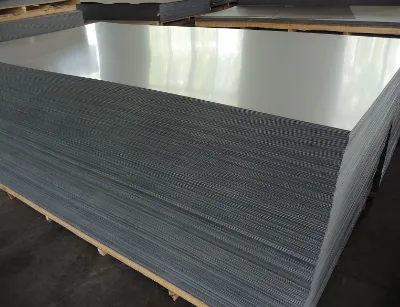


Comprehensive Sourcing Guide
Strategic Sourcing Guide for 6000 Series Aluminum Sheets
Understanding the Technical Profile of 6000 Series Aluminum
The 6000 series represents a distinct category within the aluminum alloy landscape, characterized primarily by the presence of magnesium and silicon as its principal alloying components. Unlike the 1000 series, which is classified as non-alloy, the 6000 series is defined by its ability to be heat-treated to achieve significant strength improvements. In the context of procurement, buyers must recognize that these sheets are engineered for structural applications where a balance of strength, formability, and corrosion resistance is required. The observed product attributes indicate that these materials are available in various temper conditions, specifically ranging from T3 to T8. This temper range is critical because it dictates the mechanical properties of the final sheet; for instance, the T6 temper is often sought for its peak strength, while T4 or T5 might be preferred for applications requiring better formability.
The physical dimensions of these sheets vary significantly based on supplier capabilities and specific order requirements. Procurement data suggests that thicknesses can range from 0.15mm up to 10.0mm, with some listings indicating specific standard ranges such as 0.2mm to 3.0mm for certain product lines. The width of these sheets typically spans from 200mm to 2,000mm, while lengths can extend from 800mm to 6,000mm. It is essential for buyers to verify that the specific sheet dimensions align with their manufacturing processes, as the availability of custom lengths and widths is a common feature of the market. The shape is predominantly flat, though some suppliers offer customized shapes to meet specific design constraints. The surface treatment options are equally diverse, ranging from mill finish to polished, anodized, and embossed finishes, allowing for adaptation to both aesthetic and functional requirements.
Compliance, Certification, and Standard Verification
When sourcing 6000 series aluminum sheets, verifying compliance with international standards is a non-negotiable step to ensure material integrity and safety. The primary standard governing these sheets is ASTM B209, which specifies the requirements for aluminum and aluminum-alloy sheet and plate. Buyers must confirm that the supplier explicitly states adherence to this standard, as it covers the chemical composition, mechanical properties, and dimensional tolerances essential for industrial use. Beyond ASTM B209, other regional and international standards such as EN, GB, JIS, and ISO are frequently referenced in the supply chain. The presence of certifications like SGS, Form E, and ISO 9001:2008 indicates that the supplier has undergone rigorous quality management system audits and product testing.
The certification landscape for aluminum sheets often includes specific environmental and safety compliance markers. For example, RoHS compliance is a critical requirement for electronics and automotive applications, ensuring that the material does not contain restricted hazardous substances. Buyers should request copies of the actual test reports and certificates rather than relying solely on marketing claims. The observation of "ASTMB, EN, GB, JIS, ASTM, ISO RoHS" in supplier listings suggests a broad compliance capability, but the specific standard required for a project must be matched precisely. Furthermore, the origin of the material, whether from Guangdong, Yunfu City, or Shanghai, China, can influence the supply chain logistics and the specific standards applied during production. While the origin is a logistical detail, it often correlates with the specific manufacturing practices and quality control protocols employed by the facility.
Cost Drivers and Pricing Dynamics
The pricing of 6000 series aluminum sheets is influenced by a complex interplay of factors, including raw material costs, processing complexity, and order volume. The observed price range in the market spans from $0.10 to $5,000, a vast disparity that reflects the difference between small, thin samples and large, heavy industrial orders. The Minimum Order Quantity (MOQ) is another significant cost driver, with observed ranges from 1 unit to 500 units. Buyers with lower volume requirements may face higher per-unit costs due to the fixed costs of production setup and logistics. Conversely, larger orders often benefit from economies of scale, though the specific pricing structure depends on the supplier's capacity and the current market price of aluminum ingots.
Surface treatment and temper conditions are additional variables that impact the final cost. A sheet with a simple mill finish will generally be less expensive than one that has undergone anodizing or embossing processes, which require additional energy, labor, and chemical treatments. Similarly, the temper condition affects the cost; heat-treated tempers like T6 require precise thermal processing that adds to the manufacturing expense. Customization is a key feature of this market, with suppliers offering tailored solutions for color, shape, and dimensions. While customization offers flexibility, it often comes with a premium price and potentially longer lead times. Buyers must balance the need for specific product attributes against the budget constraints, ensuring that the selected specifications are necessary for the application and do not introduce unnecessary costs.
Typical Applications and Performance Requirements
The versatility of 6000 series aluminum sheets makes them suitable for a wide array of applications across multiple industries. The primary applications observed include architecture, transportation tools, heat sinks, and decorative elements. In the architectural sector, these sheets are frequently used for glass walls, doors, and windows due to their excellent corrosion resistance and ability to be anodized for aesthetic appeal. The structural integrity provided by the 6000 series makes it ideal for load-bearing components in transportation, such as frames and body panels for vehicles, where weight reduction is critical for fuel efficiency.
In the electronics and thermal management sectors, the 6000 series is valued for its thermal conductivity, making it a preferred material for heat sinks. The ability to customize the surface finish allows for enhanced heat dissipation or aesthetic integration into consumer products. For decorative applications, the availability of various colors, including silver and customized hues, along with embossed or polished finishes, enables designers to create visually striking elements. The "Industry\Architecture" and "Decorations" classifications highlight the dual nature of these sheets, serving both functional structural roles and aesthetic design purposes. Buyers should carefully evaluate the specific performance requirements of their application, such as the need for high strength in structural components versus the need for formability in decorative panels, to ensure the selected alloy and temper are appropriate.
Supplier Evaluation and Quality Assurance Protocols
Selecting the right supplier for 6000 series aluminum sheets requires a thorough evaluation of their capabilities, reputation, and quality assurance systems. Buyers should look for suppliers who demonstrate a commitment to quality through certifications like ISO 9001:2008 and SGS. The presence of a "100% QC Testing" attribute suggests a rigorous internal inspection process, but buyers should verify the scope and frequency of these tests. A supplier claiming to be a "China Top 10 Assured Quality Supplier" may offer a higher level of reliability, but this claim should be corroborated with independent references or past performance data.
The packaging method is another indicator of a supplier's attention to detail and ability to protect the product during transit. Common packaging methods include sea-worthy wooden pallets, export wooden pallets, and combinations of plastic film and craft paper. Proper packaging is essential to prevent surface damage, such as scratches or dents, which can compromise the aesthetic and functional properties of the sheet. Additionally, the availability of a warranty period, such as a 1-year warranty, provides an additional layer of protection for the buyer. Buyers should also consider the supplier's service capabilities, including the availability of 24-hour support, which can be crucial for resolving issues quickly and maintaining production schedules.
Long-Term Procurement Considerations and Logistics
Sourcing 6000 series aluminum sheets is not merely a transactional event but a strategic decision that impacts long-term operational efficiency. Buyers must consider the lead times associated with different product specifications and the reliability of the supply chain. While specific lead times are not universally standardized, the complexity of the order, including customization and surface treatment, will influence the delivery schedule. The origin of the product, whether from Guangdong or Shanghai, can affect shipping costs and transit times, particularly for international buyers.
Sustainability and material traceability are becoming increasingly important in procurement strategies. Buyers should inquire about the recyclability of the aluminum sheets and the supplier's environmental policies. The availability of certificates like Form E can facilitate trade and reduce tariffs in certain markets, adding value to the procurement process. Furthermore, the ability to source consistent quality over time is vital for maintaining product reliability. Establishing a long-term relationship with a supplier who can consistently meet the required standards and specifications will reduce the risk of supply disruptions and ensure a steady flow of high-quality materials.
Comparative Analysis of Product Attributes
To assist buyers in making informed decisions, the following table summarizes key product attributes observed in the market for 6000 series aluminum sheets. This comparison highlights the variability in specifications and helps buyers identify the features most relevant to their specific needs.
| Attribute Category | Observed Options | Key Considerations for Buyers |
|---|---|---|
| Alloy Composition | 6000 Series (Mg, Si) | Verify specific alloy grade (e.g., 6061, 6063) for mechanical properties. |
| Temper Condition | T3 - T8 | Select based on required strength vs. formability balance. |
| Surface Treatment | Mill Finish, Polished, Anodized, Embossed | Match finish to application (e.g., Anodized for architecture, Mill for industrial). |
| Thickness Range | 0.15 - 10.0mm (some 0.2-3.0mm) | Ensure thickness meets structural or weight requirements. |
| Width & Length | 200-2,000mm / 800-6,000mm | Check if custom dimensions are available to minimize waste. |
| Certifications | ASTM B209, SGS, ISO 9001, RoHS | Confirm specific standards required for the target industry. |
| Packaging | Wooden Pallet, Plastic Film & Paper | Assess packaging quality to prevent transit damage. |
| Origin | Guangdong, Shanghai, China | Factor in logistics costs and lead times based on location. |
This guide provides a comprehensive framework for sourcing 6000 series aluminum sheets, emphasizing the importance of technical verification, compliance, and supplier evaluation. By adhering to these principles, buyers can secure high-quality materials that meet their specific application requirements while mitigating risks associated with supply chain variability.
FAQs
What surface treatments are available for 6000 series aluminum sheets?
Available surface treatments include polished, mill finish, anodized, and embossed options. These finishes allow adaptation to both aesthetic and functional requirements for architectural or industrial applications.
Which temper conditions are offered for 6000 series aluminum sheets?
The sheets are offered in temper conditions ranging from T3 to T8. This range allows buyers to select the specific balance of strength and formability required for their structural or decorative projects.
What certifications do 6000 series aluminum sheet suppliers typically hold?
Suppliers often hold certifications such as ISO 9001:2008, SGS, and RoHS compliance. These credentials verify adherence to international standards like ASTM B209 and ensure material integrity for industrial use.
How are 6000 series aluminum sheets packaged for export?
Packaging options include sea-worthy wooden pallets, export wooden pallets, and plastic film with craft paper. Proper packaging prevents surface damage like scratches during transit to protect the material quality.
Can 6000 series aluminum sheets be customized for specific dimensions?
Yes, customization is available for thickness, width, length, and shape. Buyers can request specific dimensions within ranges like 0.15 to 10.0mm thickness and 200 to 2,000mm width to minimize manufacturing waste.
What is the typical price range for 6000 series aluminum sheets?
The observed price range spans from 0.1 to 5,000 USD depending on order volume and specifications. Pricing is influenced by raw material costs, processing complexity, and surface treatment requirements.